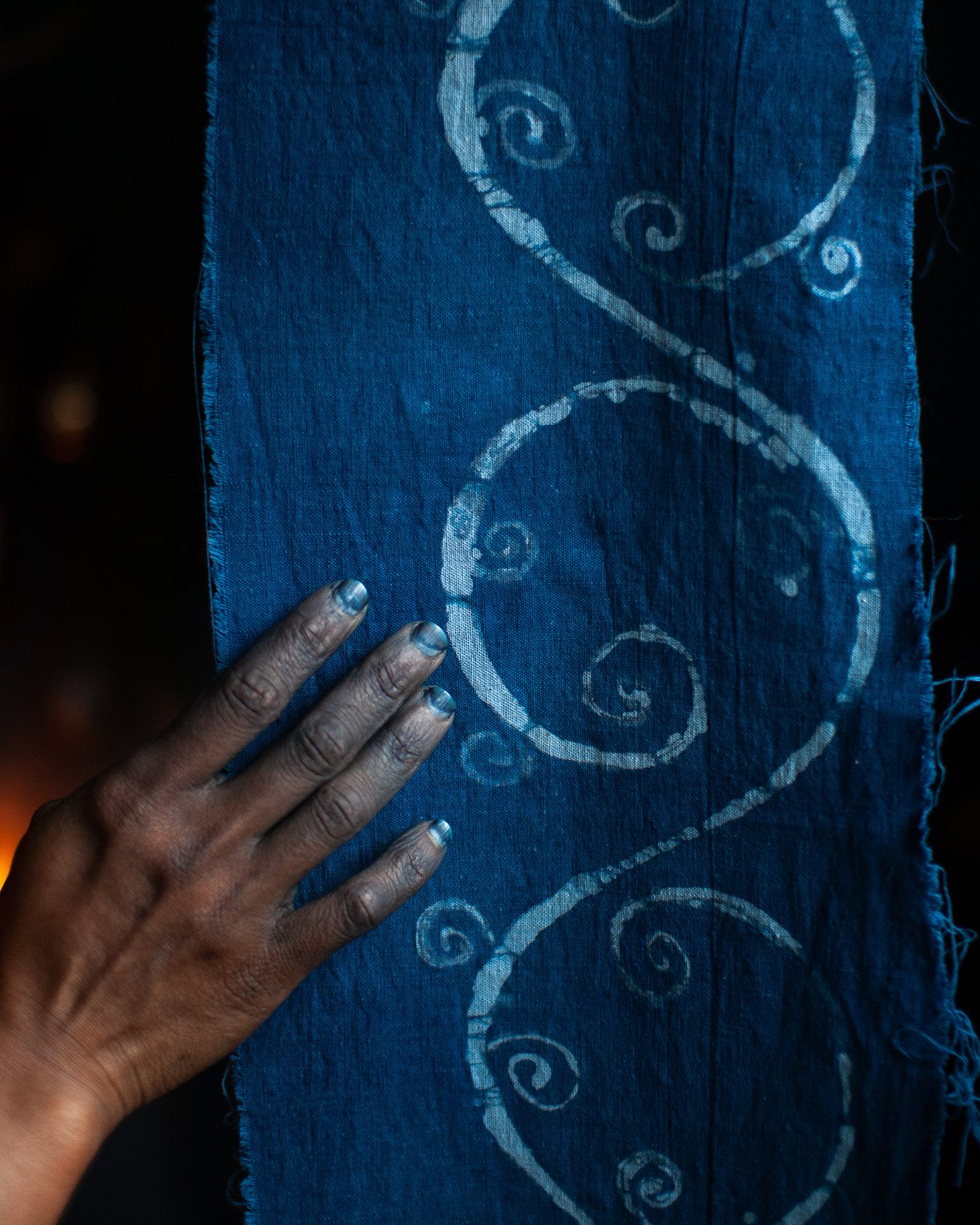
The Thread
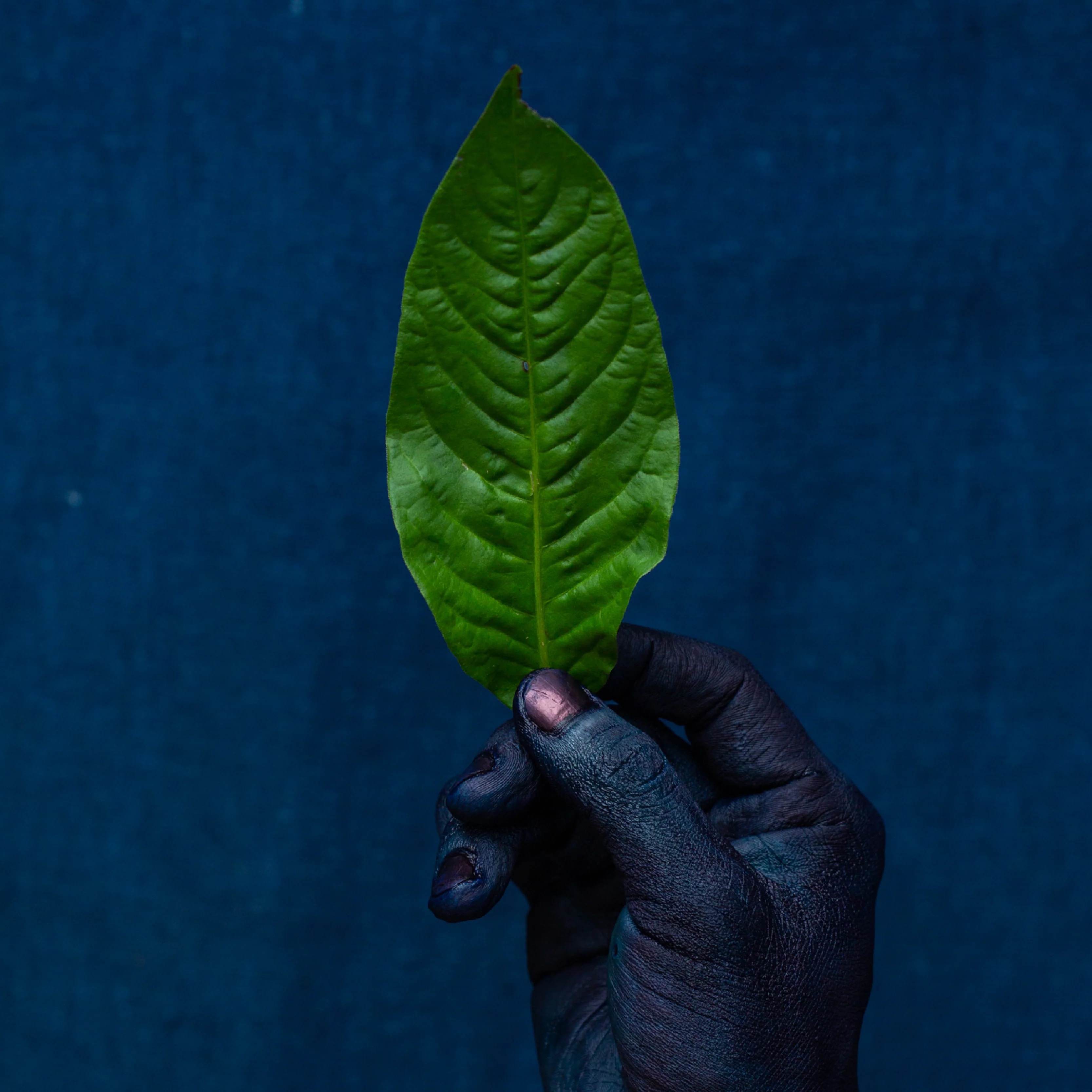
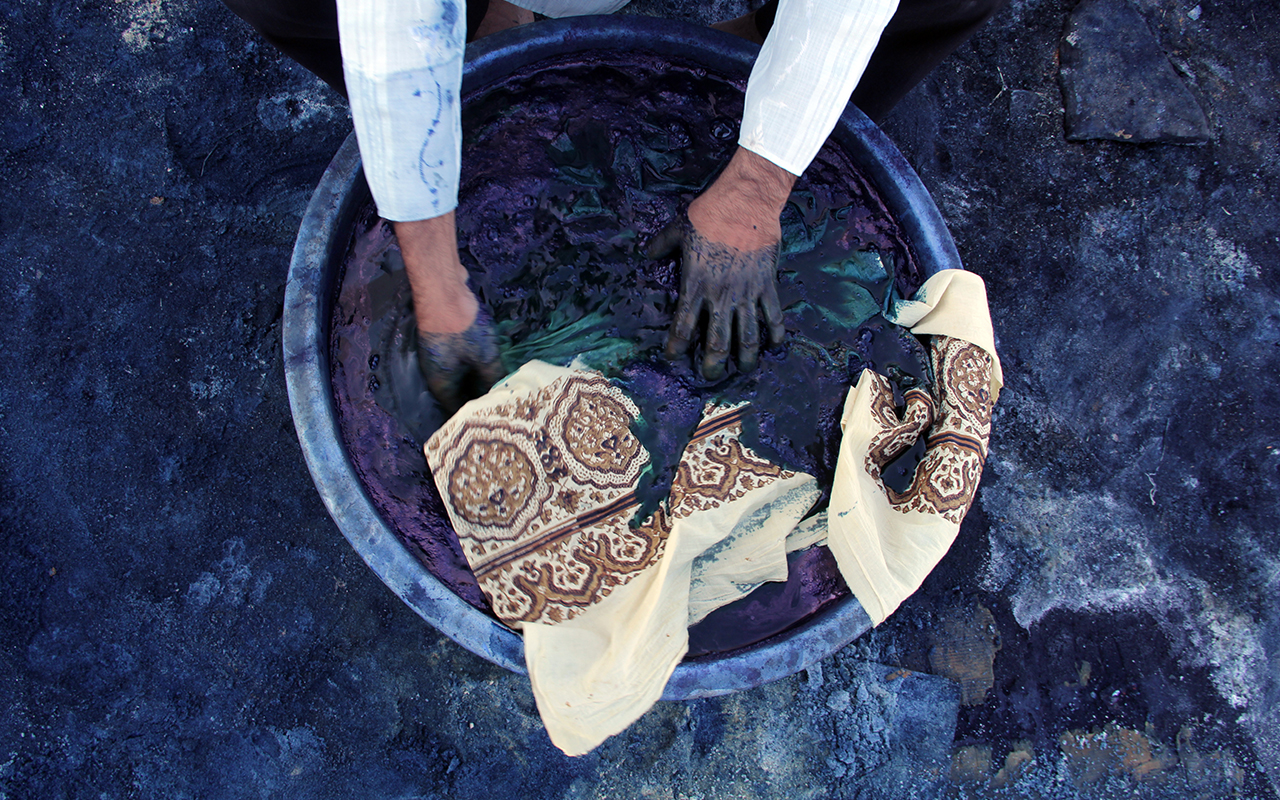
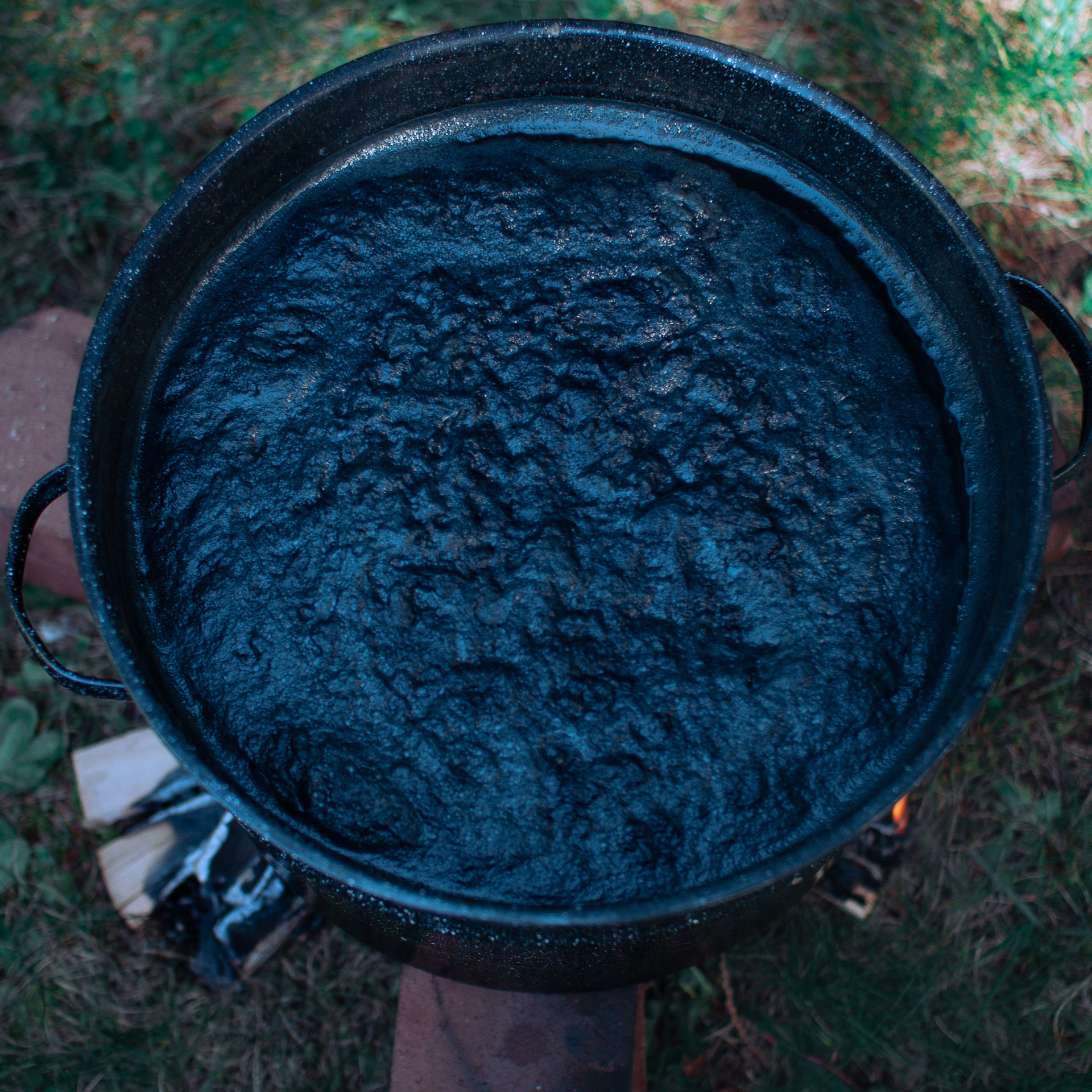
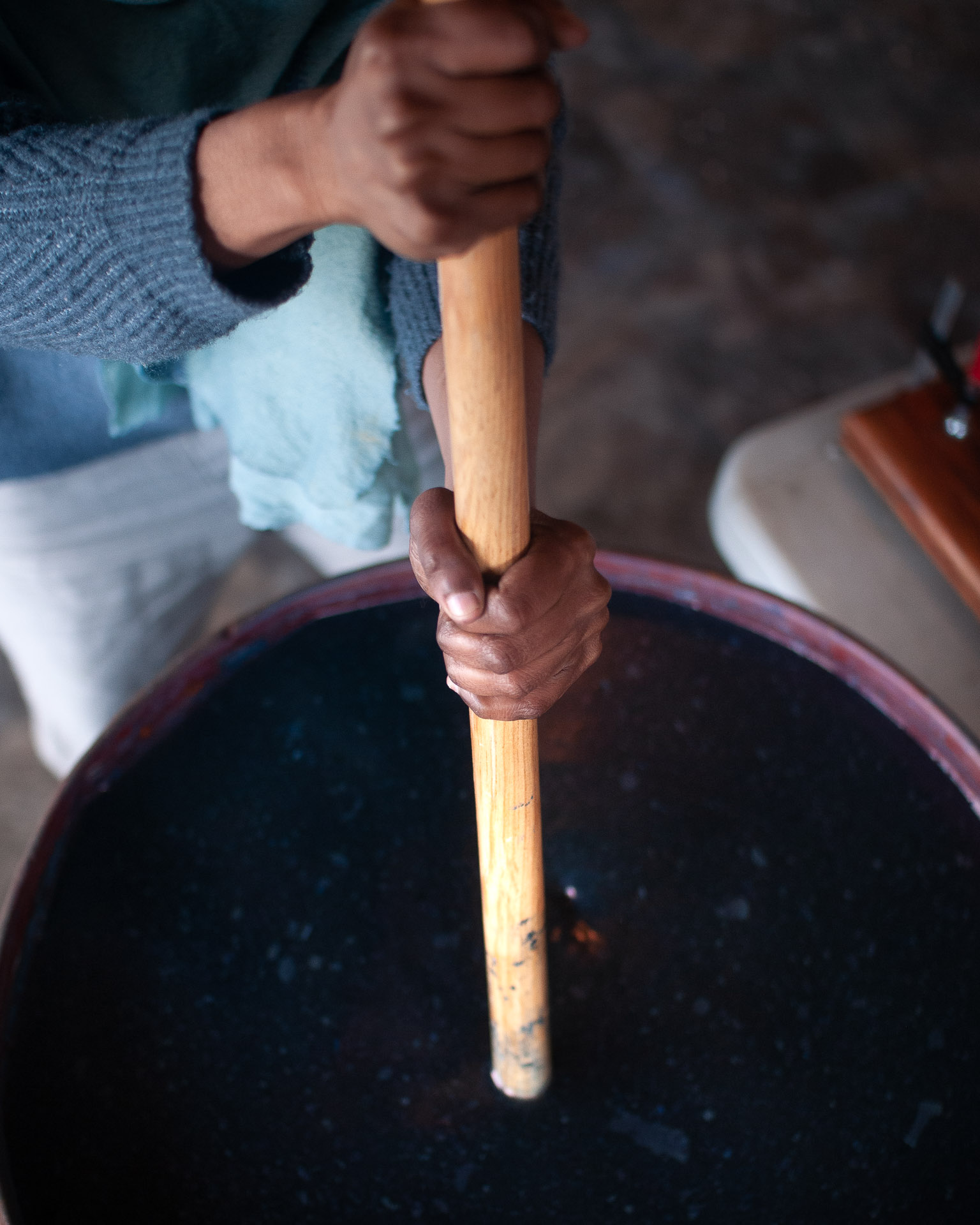
Indigo is a colour that binds the cultures that have practiced this art-form across millenia. Long before synthetic dye existed, communities across Asia and Africa were independently fermenting the same leaf into the same deep blue — different plants, different climates, the same patient chemistry, passed hand to hand.
This page is a look at three places where that lineage is still alive today — working studios and dye pits with generational continuity, run by people who learned the craft from the person before them, and are teaching it to the person after.
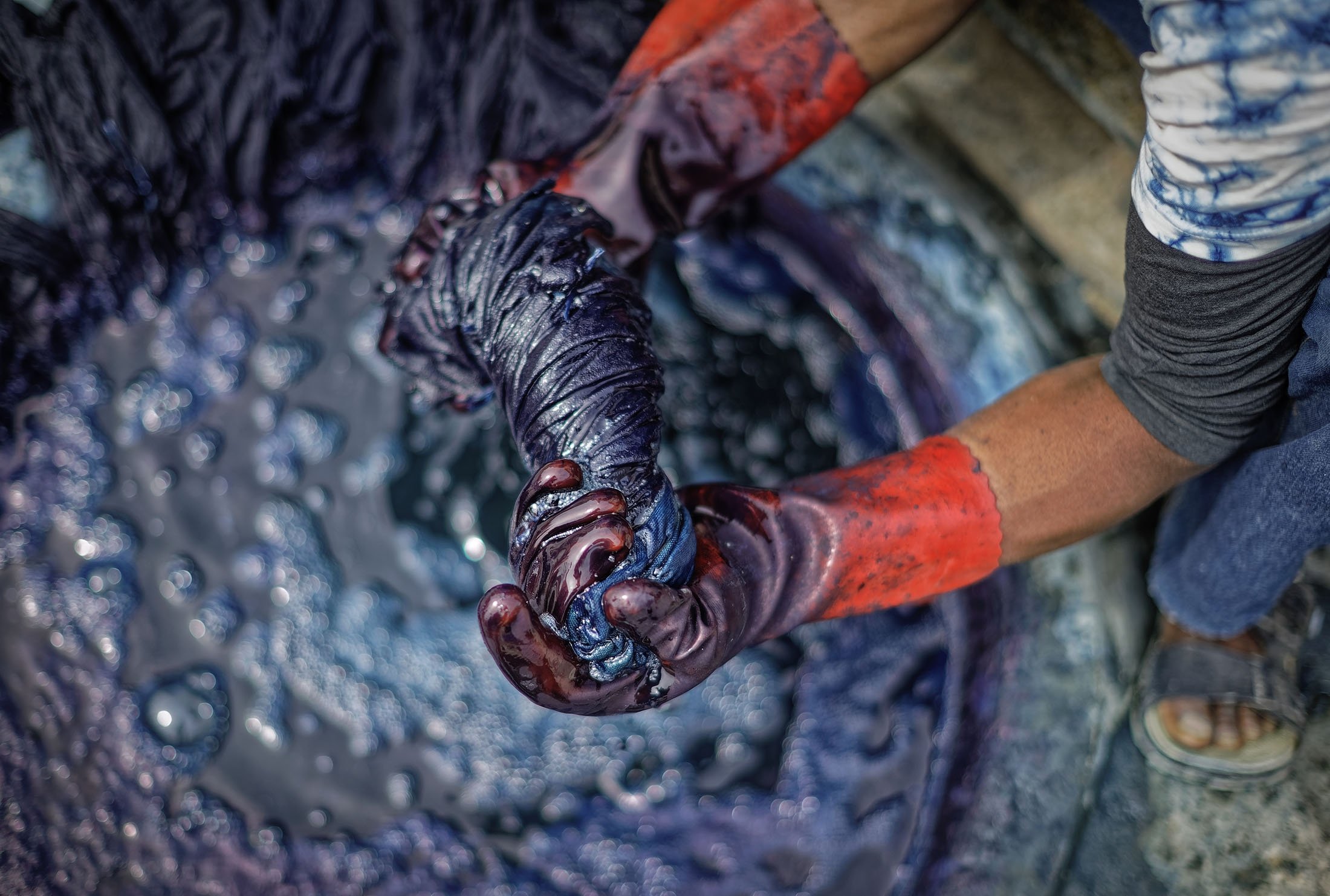
Kano, Nigeria
The oldest continuously operating indigo dye pits in Africa, founded in 1498 — over 500 years of unbroken practice, some dyers today are ten generations deep.
What I like about it -A true pilgrimage site of the Indigo world, the Kofar Mata pits sees 5 centuries of continuity in indigo knowledge and wisdom.
Tokushima, Japan
Founded in 2012 by Kenta Watanabe and Kakuo Kaji, in a region that once had thousands of sukumo farms and now has barely five.
What I like about it -The master artisans at BUAISOU are heirs to a longstanding tradition of seeing the indigo plant through each stage of it's metamorphosis; cultivation, fermentation, design and dye.
Ajrakhpur, Gujarat, India
Master of Ajrakh, a natural indigo-and-madder resist block print - his son Sufiyan carries the craft as its tenth generation.
What I like about it -With an unparalleled continuity of generational indigo knowledge and master artisanship, this is the heart of indigo in the country that gives the dye its name.